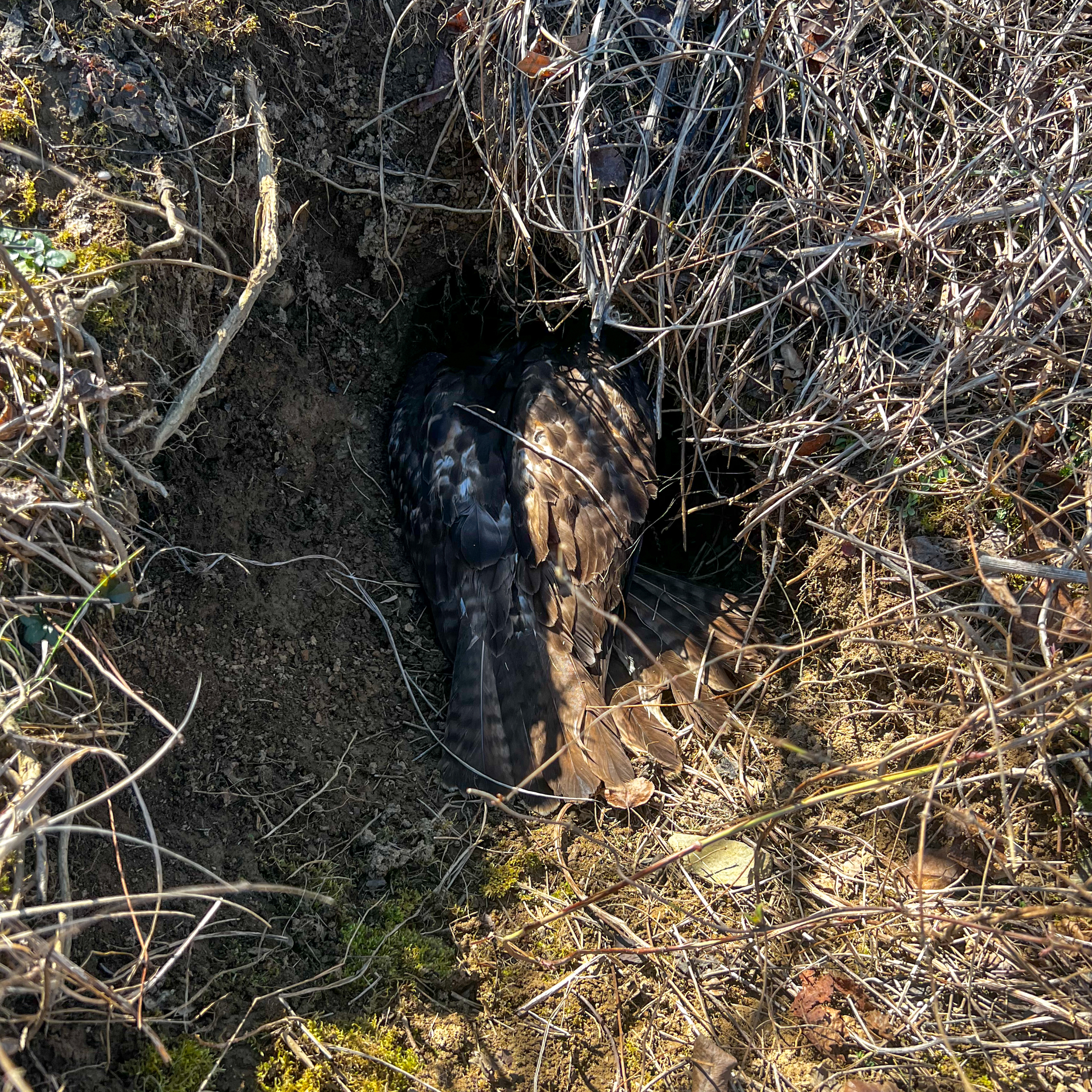
RELEASED | ARCHIVE CLOSED
.jpeg)
Jynx- 2024
Archive Record 003 - Season I
RETAINED | ARCHIVE CONTINUES
Overview
ARCHIVE RECORD 003 | SEASON I | JYNX
Jynx followed Talos as the next chapter within the Wings to Valhalla archive. His first season continued the work of building consistency in the field while adding new lessons that could not have been anticipated at the start of the journey.
The records preserved here document training, free flight, hunting progression, field experience, and the continued development of partnership between bird, dog, and falconer. Like the chapters before it, this season is preserved as a record of the process itself—the successes, the setbacks, the adjustments, and the lessons carried forward.

Milestones
Milestones preserve key transitions in a bird’s progression through falconry, documenting changes in trust, training, flight, hunting, and long-term development.
Trap Date: 11/08/2024
Accepts Food: 11/10/2024
First Step-Up to Fist: 11/24/2024
First Hop to Fist: 11/29/2024
First Jump to Fist: 11/30/2024
First Creance Flight: 12/02/2024
First Free Flight: 12/14/2024
First Hunt: 12/15/2024
First Successful Take: 12/22/2024
Season End: 03/23/2025
Release / Archive Closed: Retained
Weight & Quarry Progression
Weight management is a fundamental component of falconry, influencing condition, motivation, health monitoring, and safe participation in hunting activities. Daily records help preserve progression across a season.
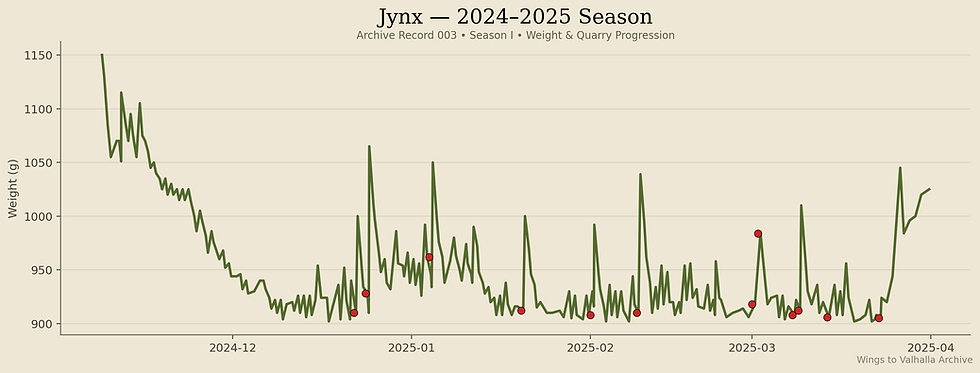
* Red dots mark notable events
Stories / Records
Entries below preserve events considered relevant to the bird’s development, hunting progression, or long-term record.
11/08/2024 – The Next Chapter and the Hunt for a Female Red-tail
With Talos' chapter now at a close, attention turned toward the next bird.
Although trapping season opened on September 1st, I intentionally waited later into the season. Part of the goal was to experience a different stage of development in a passage Red-tailed Hawk and better understand how timing could influence a young bird's first season.
Weeks were spent scouting locations, studying bird activity, adjusting routes, and working different times of day. Several hawks were trapped and evaluated during that period, but all were males weighing between 800 and 900 grams. Every one of them was a capable bird, but I wanted to work with a female Red-tail and round out my apprenticeship experience.
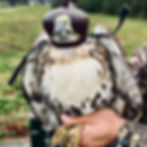
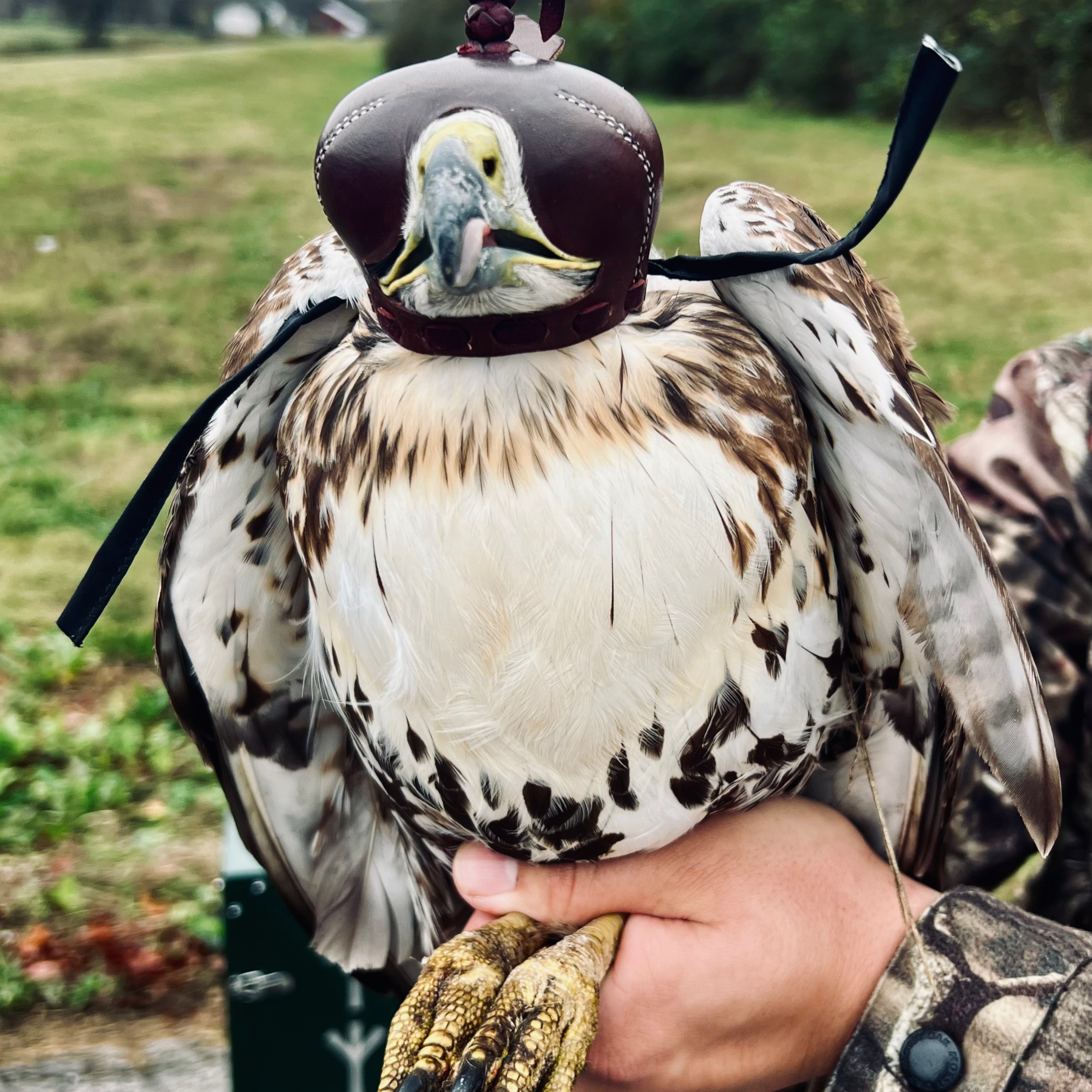
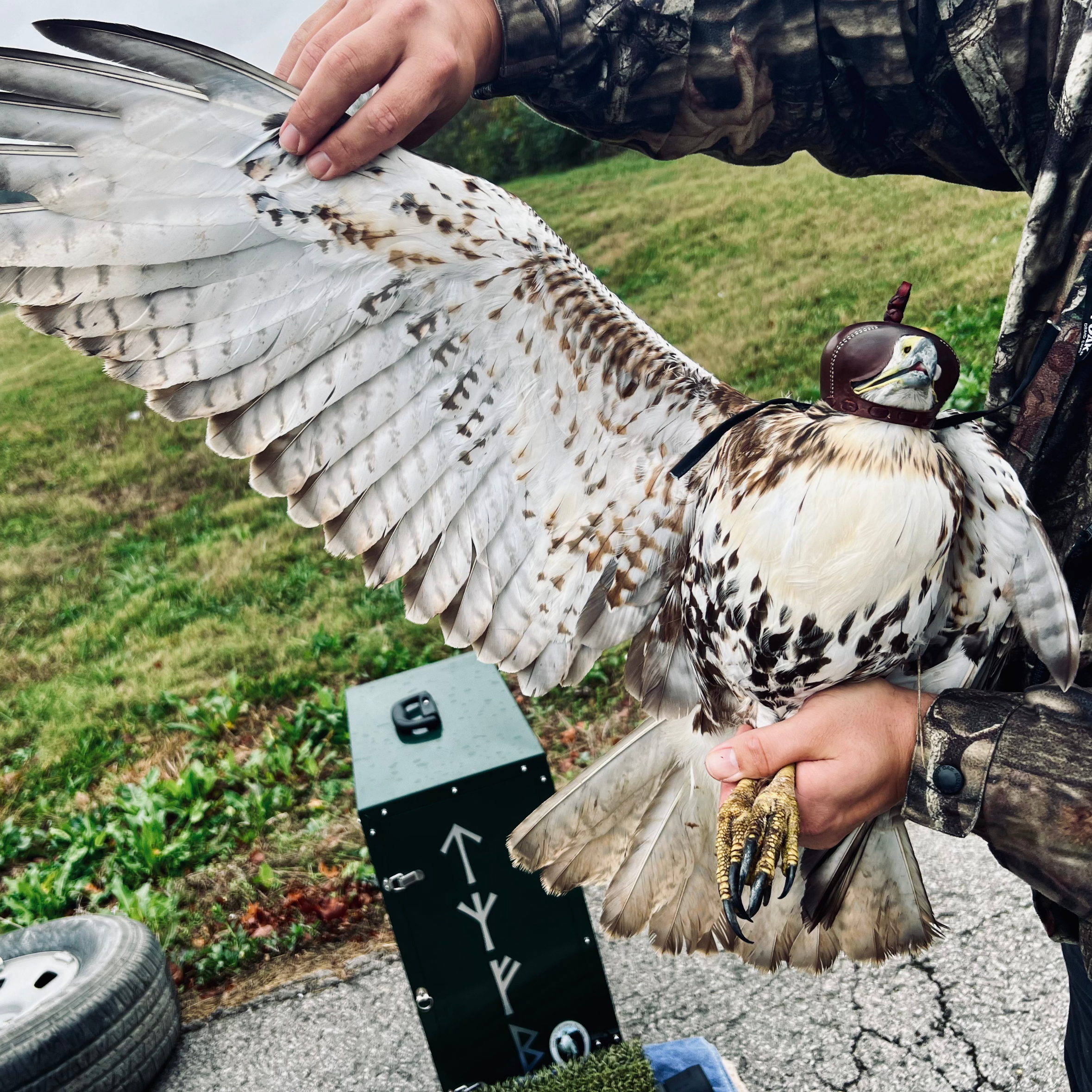
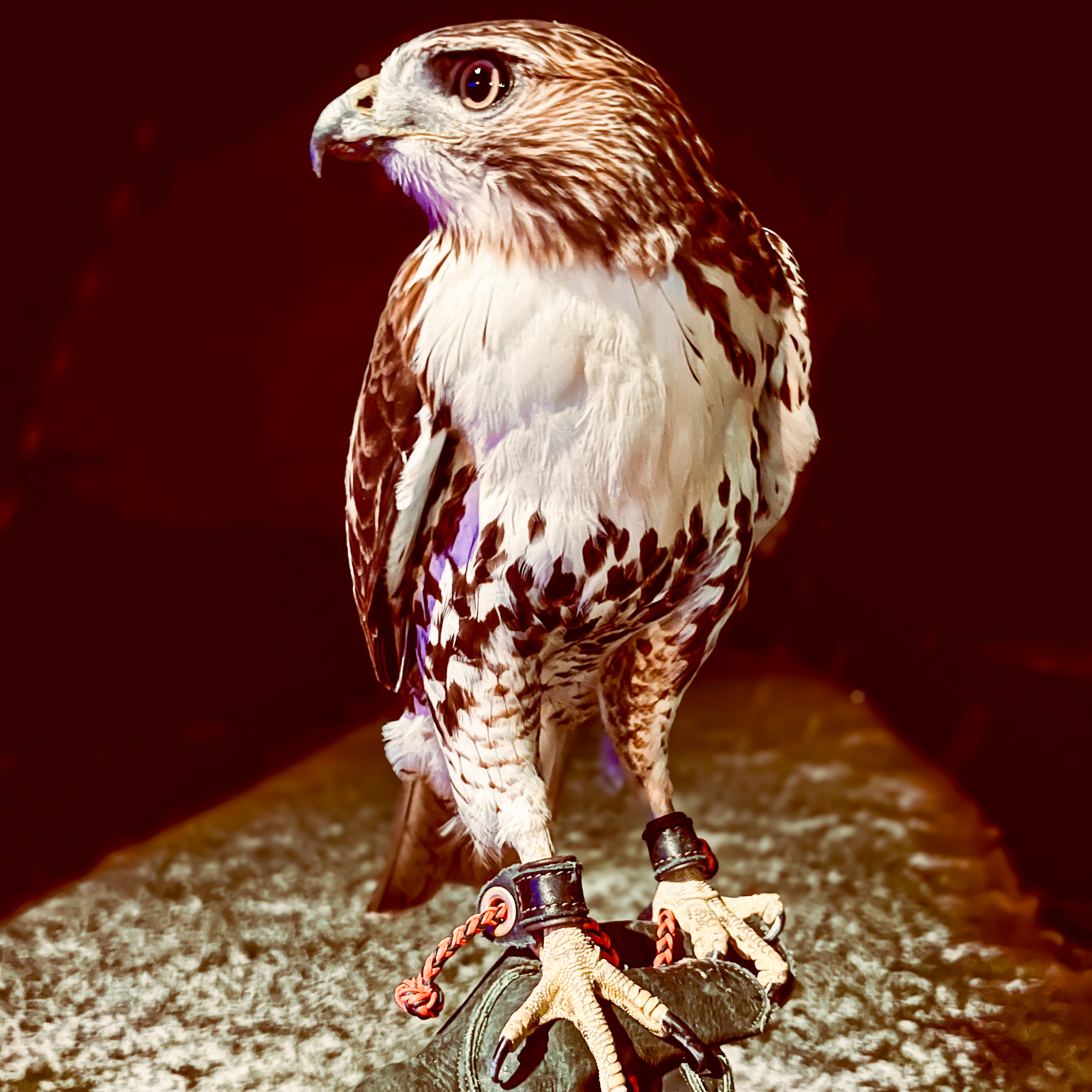
After another early morning and a long drive before sunrise, we arrived at a location that looked promising and our search finally paid off. The hawk weighed 1,150 grams with what appeared to be an empty crop. She carried larger feet, a broader frame, and the overall build I had been hoping to find. After weeks of searching, the decision was made—this would be the next chapter. The bird was fitted with her equipment, hooded to reduce stress during transport, and brought home for evaluation, cleaning, and preventative flat-fly treatment. The name came shortly afterward...
On the trip, I managed to back the truck over a culvert pipe and slash a tire. After weeks of searching, an unexpected tire failure felt like an appropriate omen. Whether it was bad luck, coincidence, or simply part of the journey, the name seemed to fit.
Jynx had arrived, and it was time for chapter two.
*Record retained: The search for Jynx was not defined by the day she was trapped, but by the weeks of patience that came before it. Some birds are found quickly. Others make you earn the opportunity.
11/21/2024 – Jynx's First Lesson
Training was underway, but progress was slower than expected. While I could get responses from Jynx, it wasn't as consistent as it needed to be for free flight. Her weight continued to trend downward until we were working around the 1,000-gram mark. The more I worked with her, the more questions I had.
Eventually, I decided it was time to stop guessing and get an answer. We scheduled a DNA/PCR sexing test and headed to the veterinarian for a blood draw.
About a week later, the results came back.
Jynx was a male.
The result was surprising, but it also explained a lot. Looking back, my desire to work with a female Red-tail had influenced how I interpreted the bird in front of me. I had spent weeks searching for what I thought was the ideal apprentice bird and, in the process, ignored some signs that should have made me question my assumptions sooner.
For a while, I wrestled with the decision. Part of me considered releasing Jynx and starting the search over. The original plan had been to experience both a male and a female during my apprenticeship, and that plan had suddenly changed. After a lot of thought, I decided the choice had already been made.
This was the bird I had selected. We were weeks into training, and he deserved the same opportunity as any other hawk. Whether he matched the plan no longer mattered. What mattered was the bird standing in front of me.
Jynx would stay.
*Record retained: The bird does not care about your plans. Success starts when you stop chasing what you hoped for and start working with what you have.
12/28/2024 – Early Hunting and Quick Progression
The decision to continue forward with Jynx was beginning to look like the right one.
Our first free flight on squirrels was far from perfect, but he stayed in the field, followed along, and remained engaged. On the second hunt, Wren flushed a rabbit from thick cover and Jynx made a short chase to secure his first rabbit of the season. It was exactly the type of teamwork I had hoped to build—a bird watching the dog, the dog producing the opportunity, and both beginning to learn their roles together.
Throughout December, Jynx progressed faster than I expected. He was gaining height, following along as Wren and I worked through cover, and committing to chases more quickly with each hunt. He would often circle overhead before returning to a perch and was beginning to show reliability on both fist and lure recalls, including several from well over 100 yards.
Four hunts into the season, Jynx had produced two rabbits. For a young hawk, it felt like everything was moving in the right direction.
Then came hunt number five.
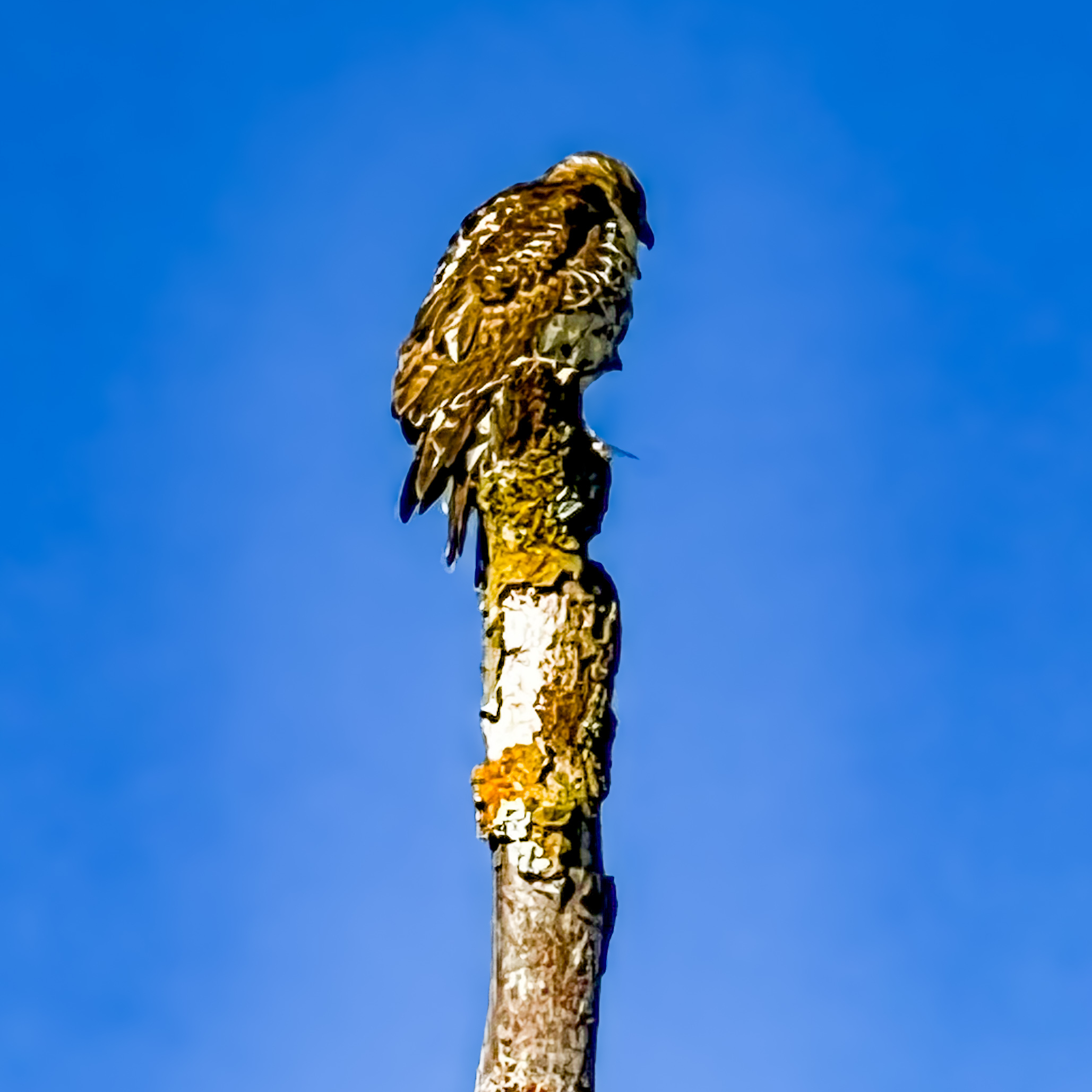
The day started early in the morning, we hunted under overcast skies after a light rain. Rabbits were moving and Jynx was following well as I worked through thick cover. As I stepped from the brush into an open field, I looked up and saw him perched on top of a power pole, staring intently at the ground below.
Seconds later, he committed.
He launched from the pole exactly as if he were dropping on game. Somehow, yet his damp tail completed a circuit between the energized wire above and the wet pole beneath him.
The effect was immediate.
Instead of a normal attack, I watched him lose control and fall nearly twenty feet into the mud below.
When I reached him, he wasn't moving.
For a moment, I was certain it was over.
Then I noticed his pupils moving. He was still alive.
I secured him, cleared the mud from his mouth and airway, and supported him while trying to assess the damage. At first he couldn't lift his head, stand, or move on his own. Slowly, movement began to return. His feet started twitching. His wings pushed weakly against my arms. Eventually he climbed back onto the glove—unsteady, confused, and clearly shaken, but standing.
A veterinary examination followed, including radiographs and a full physical evaluation. Burned feathers confirmed the electrocution, but remarkably no significant burns, fractures, or obvious entry and exit wounds could be found.
Jynx was alive.
The immediate crisis had passed.
Now we had to wait and see what came next.
*Record retained: Progress can make you feel like the hard part is behind you. Sometimes it only means you've reached the next test.
01/04/2025 – Road to Recovery & Return to Form
The days following the electrocution were filled with uncertainty.
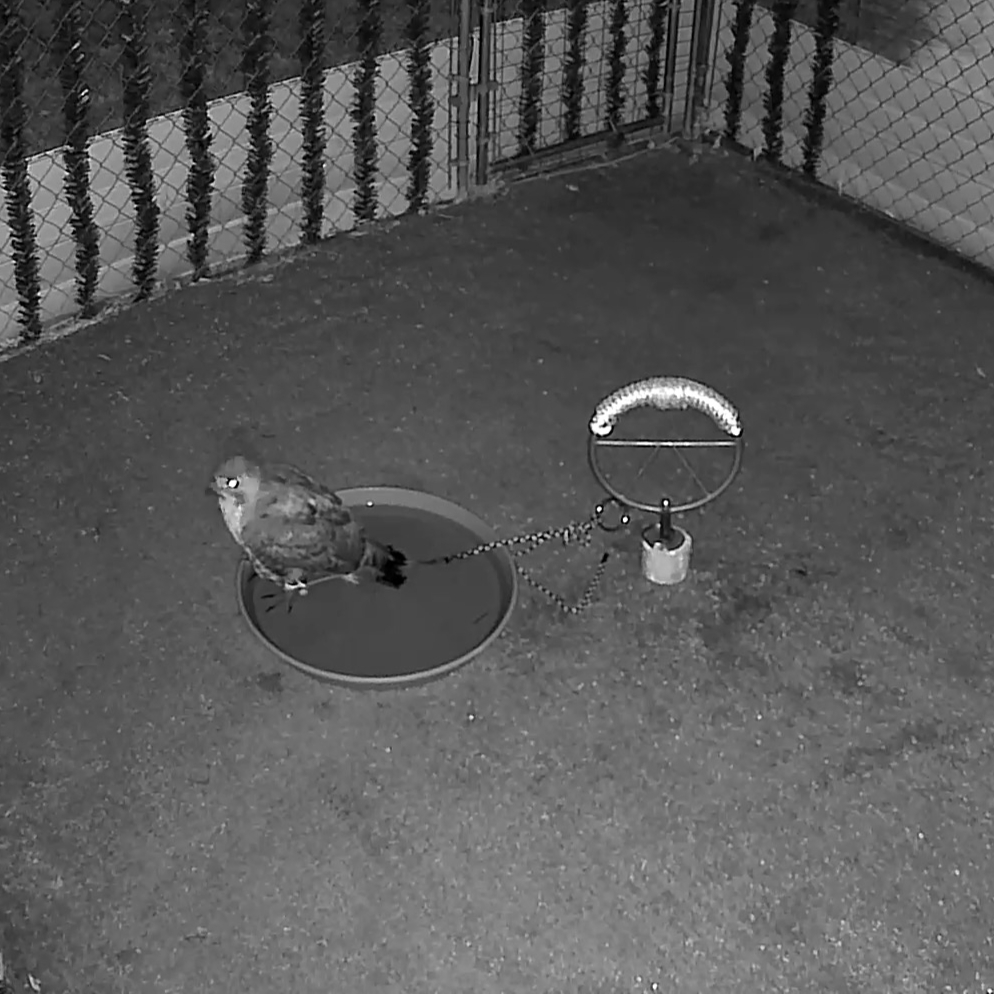
Jynx spent his recovery under a heat lamp with increased nutritional support, constant hydration checks, and around-the-clock camera monitoring. Every day felt like a waiting game, watching for signs of hidden injuries that the initial examinations may have missed. Organ damage can sometimes appear long after the initial incident in cases involving electrocution.
Slowly, he began returning to normal.
Recalls to the glove became consistent again. The lure was met with enthusiasm. Before long, he was making short free flights without issue. Even so, we started from the beginning. Step to fist. Hop to fist. Flight to fist. There was no rush. After what had happened, I let Jynx tell me when he was ready for the next step.
Once his confidence returned, I decided it was time for a short hunt in a field he knew well.
The plan was simple. Let Wren run. Let Jynx fly. See how he handled himself in the field.
It didn't take long.
Wren produced a rabbit and pushed it into an open field. My eyes immediately went to Jynx, waiting to see what he would do.
There wasn't a moment of hesitation.
He dropped from his perch and drove straight toward the chase. Seconds later, he made contact near the edge of the brush and secured the rabbit.
When I reached him, he wasn't mantling or acting defensive. He simply sat on his quarry and waited, as if nothing had happened.
A full crop followed.
For weeks, I had wondered if the electrocution had ended his season. Standing over that rabbit, it was clear that Jynx had answered the question himself.
He wasn't finished.
*Record retained: Recovery is not proven in the mews. Recovery is proven when the bird returns to doing what made him successful in the first place.
03/23/2025 – The Closing of a Season
Jynx continued to show that he was still very much in the game.
The weeks following his recovery brought consistency, and the teamwork between bird, dog, and falconer became more apparent with every hunt. Wren would open on a rabbit, mark movement, or push a chase, and Jynx would move into position to do his part. Likewise, when I gave the familiar falconry call of "ho-ho-ho," Jynx would often check off Wren and move toward me, with Wren usually arriving shortly behind him.
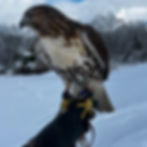
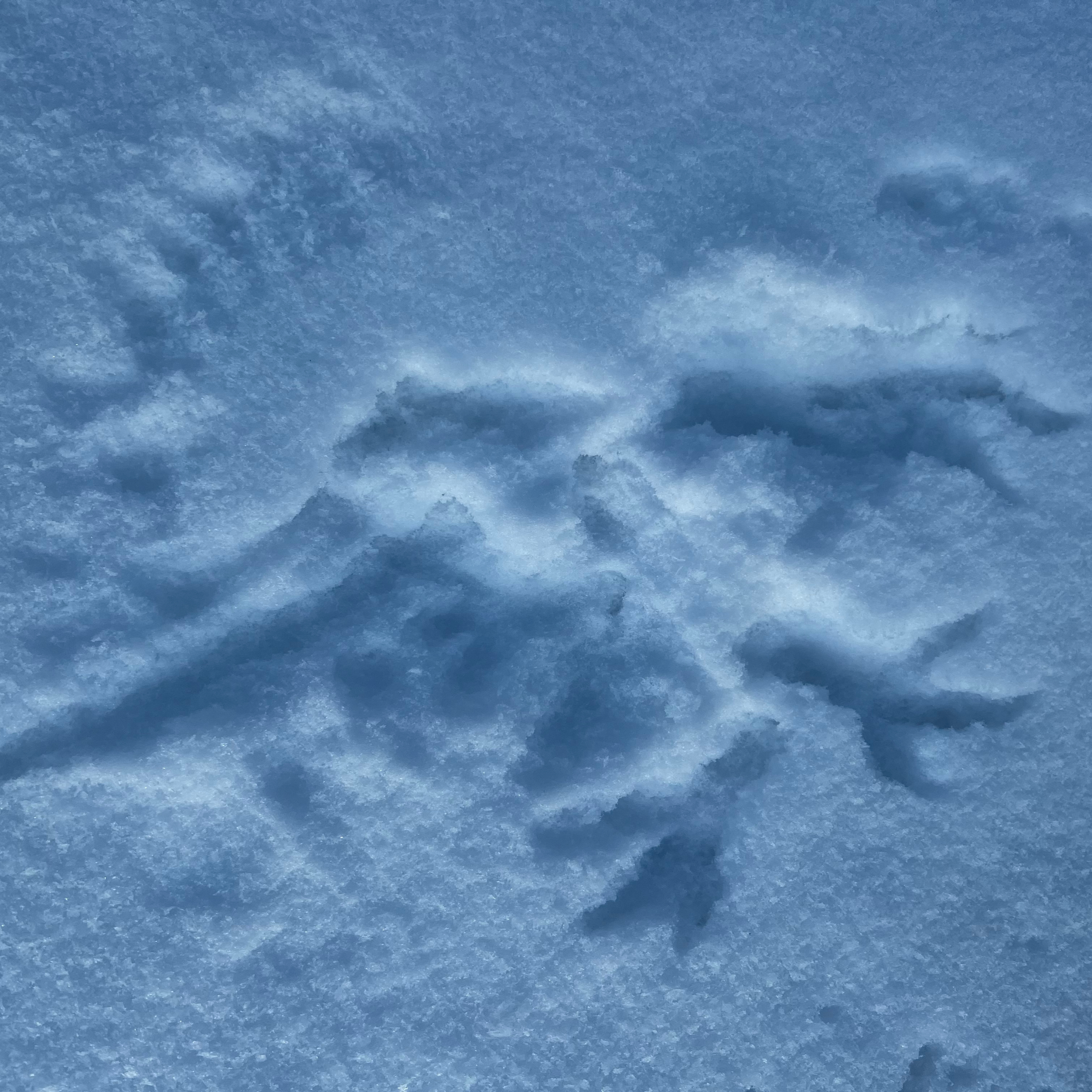
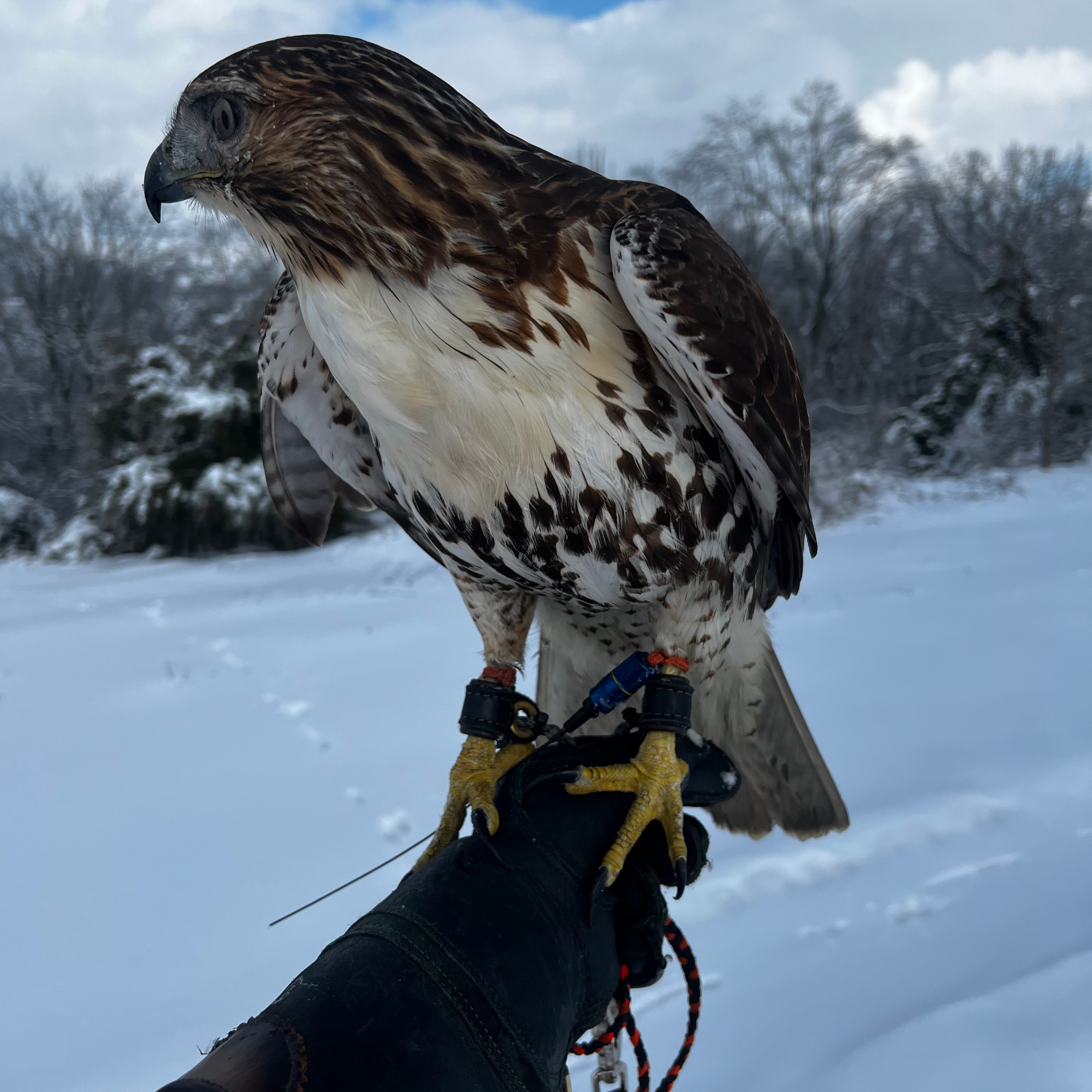
Winter brought some of the most memorable hunting of the season. Fresh snow revealed tracks, crossings, feeding areas, and escape routes that would otherwise go unnoticed. Hunting with a hawk over snow added a completely different dimension to the field, making it easier to read both the landscape and the game moving through it.
Consistency had become the goal. Some hunts lasted hours. Others were over almost before they began. The field, weather, and starting point mattered less and less. Jynx understood his role. Wren was the eyes on the ground, and Jynx learned to gain height, watch, and wait for opportunity.
The season brought one final challenge when Wren was sidelined by injury and missed the final month of hunting. The dynamic changed, forcing Jynx and me to adapt, but it also reinforced how important each member of the team had become.
When the season closed, we had spent 136 days together, completed 21 hunts, and accounted for 12 rabbits.
Given everything that had happened, I was relieved simply to reach the end of the season.
The decision to keep Jynx for a second year felt like the right one. The season had taught us more than a perfect year ever could. He was healthy, thriving, and still wanted to be there.
One of the lessons falconry teaches repeatedly is that a wild hawk always has a choice. At any moment, a bird can leave and never return. What keeps them coming back is not ownership. It is trust, consistency, and the partnership built over time.
For one more season, that partnership would continue.
*Lesson retained: Perfect seasons teach very little. The difficult ones are often the seasons remembered longest.
Field Archive / Media
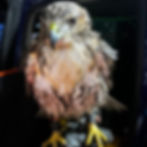
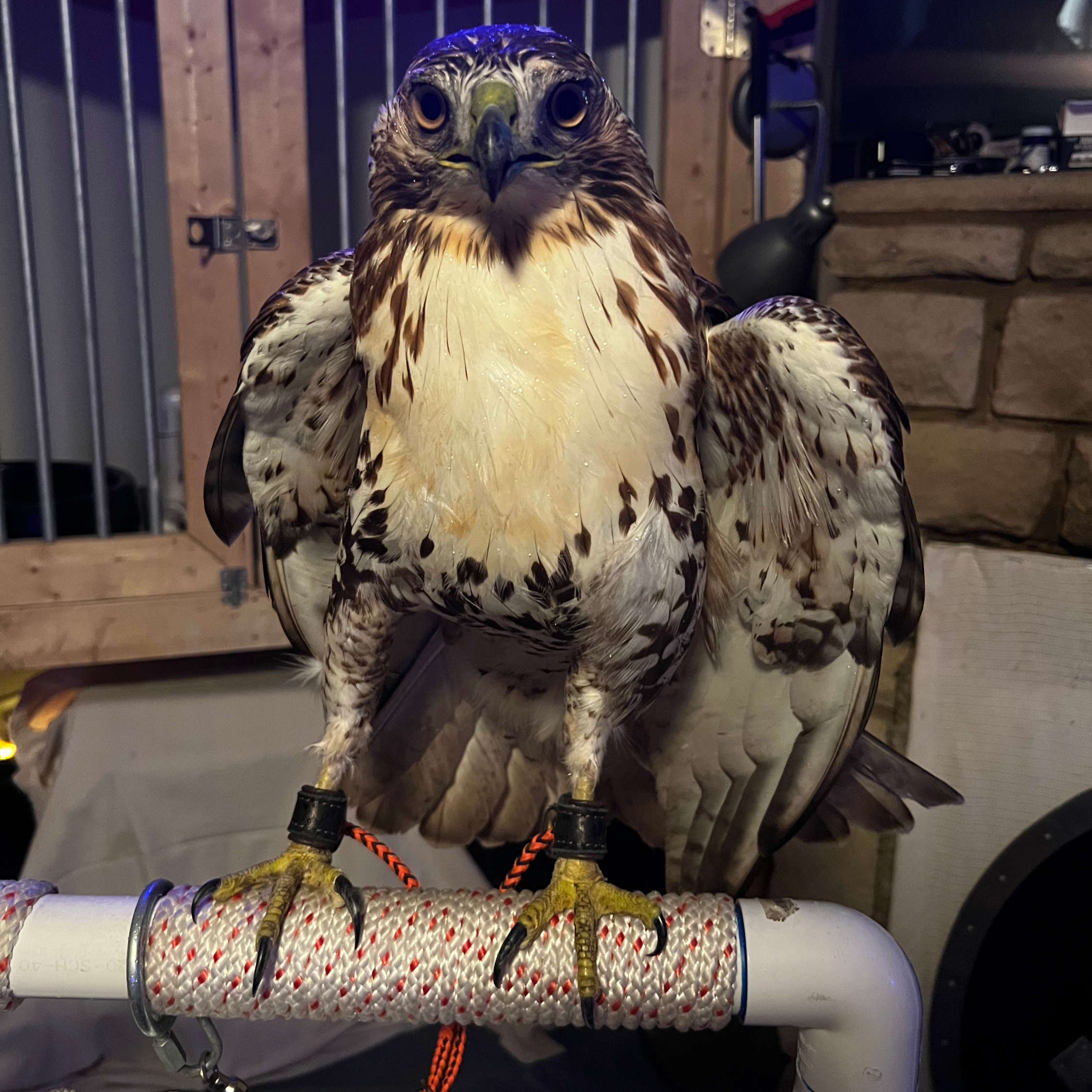
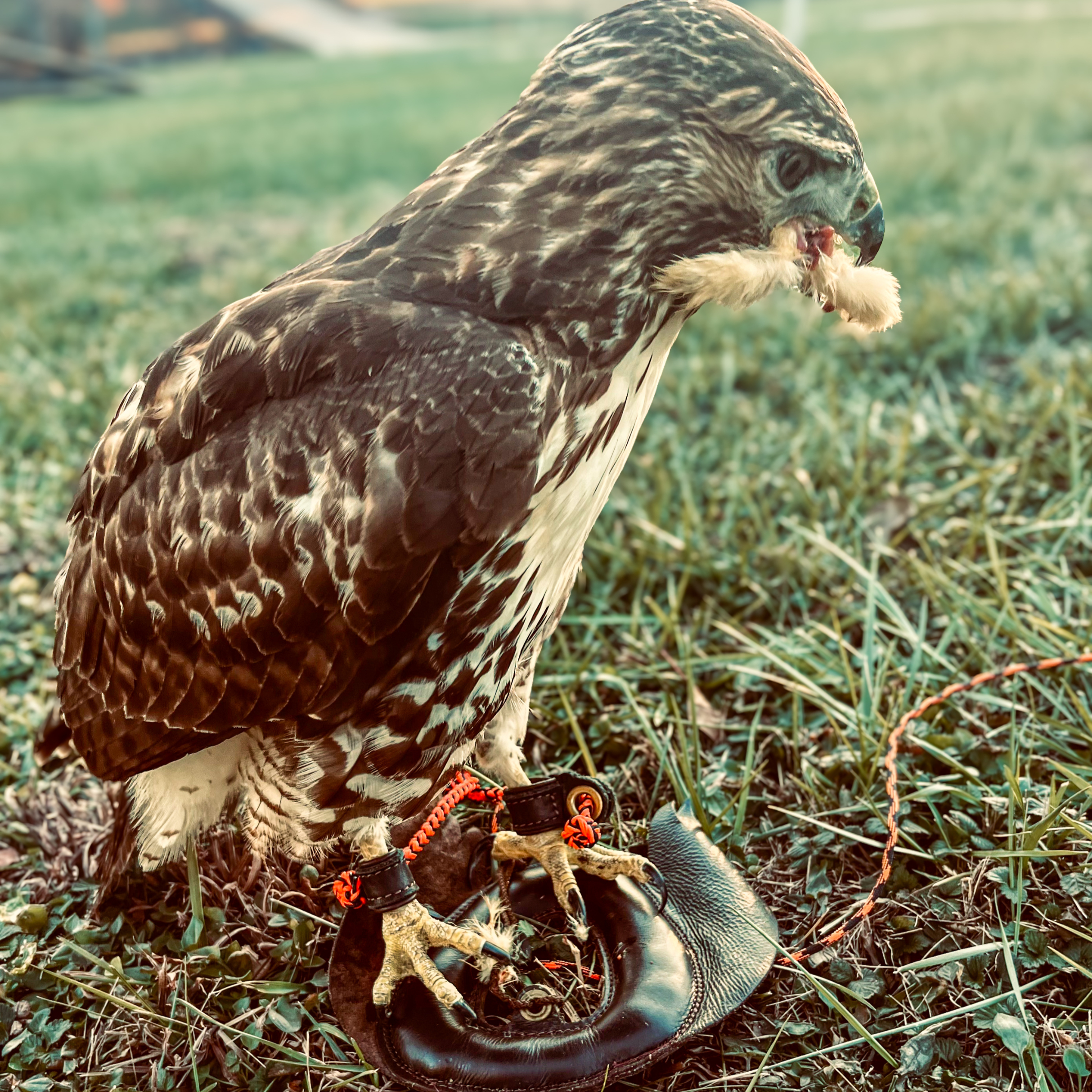
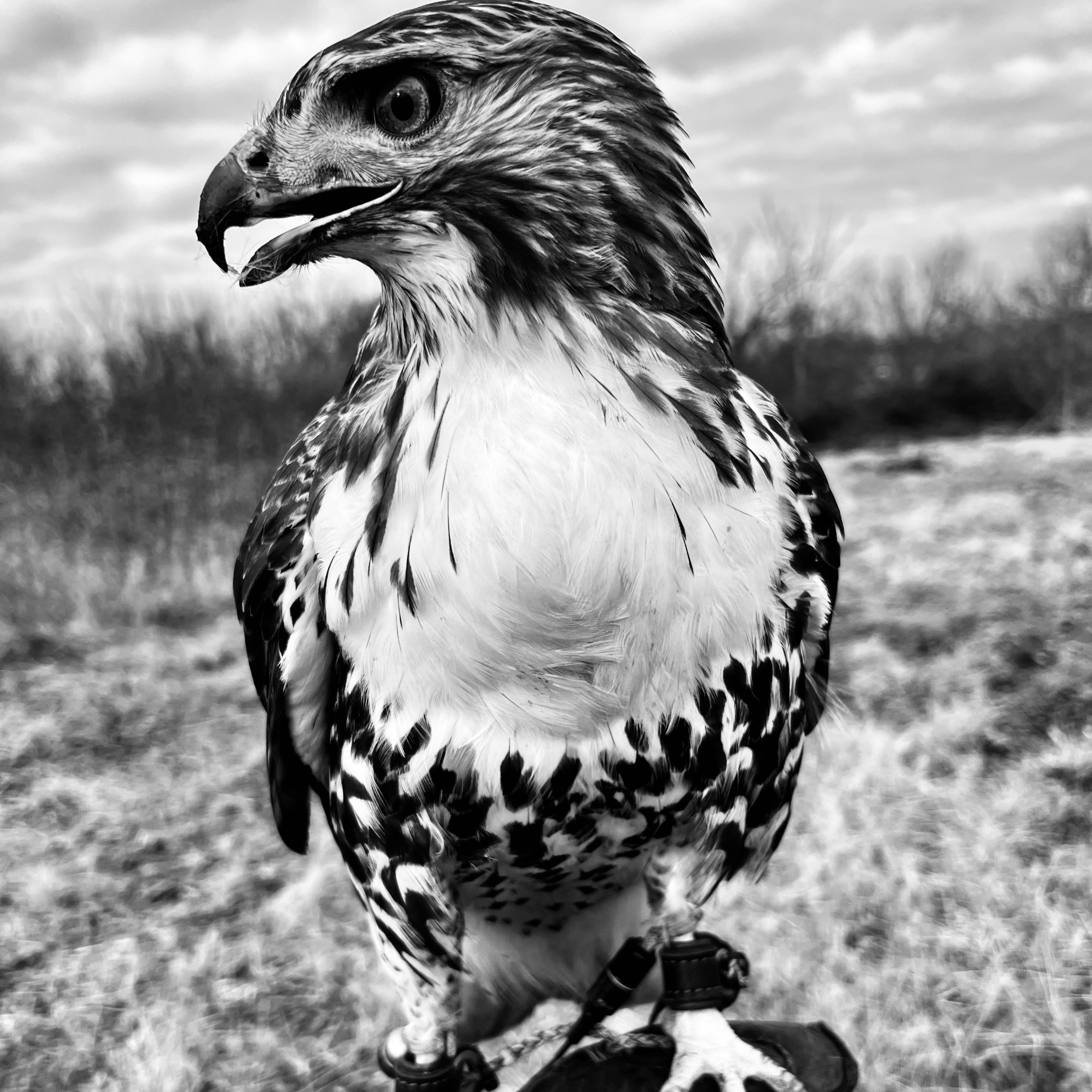
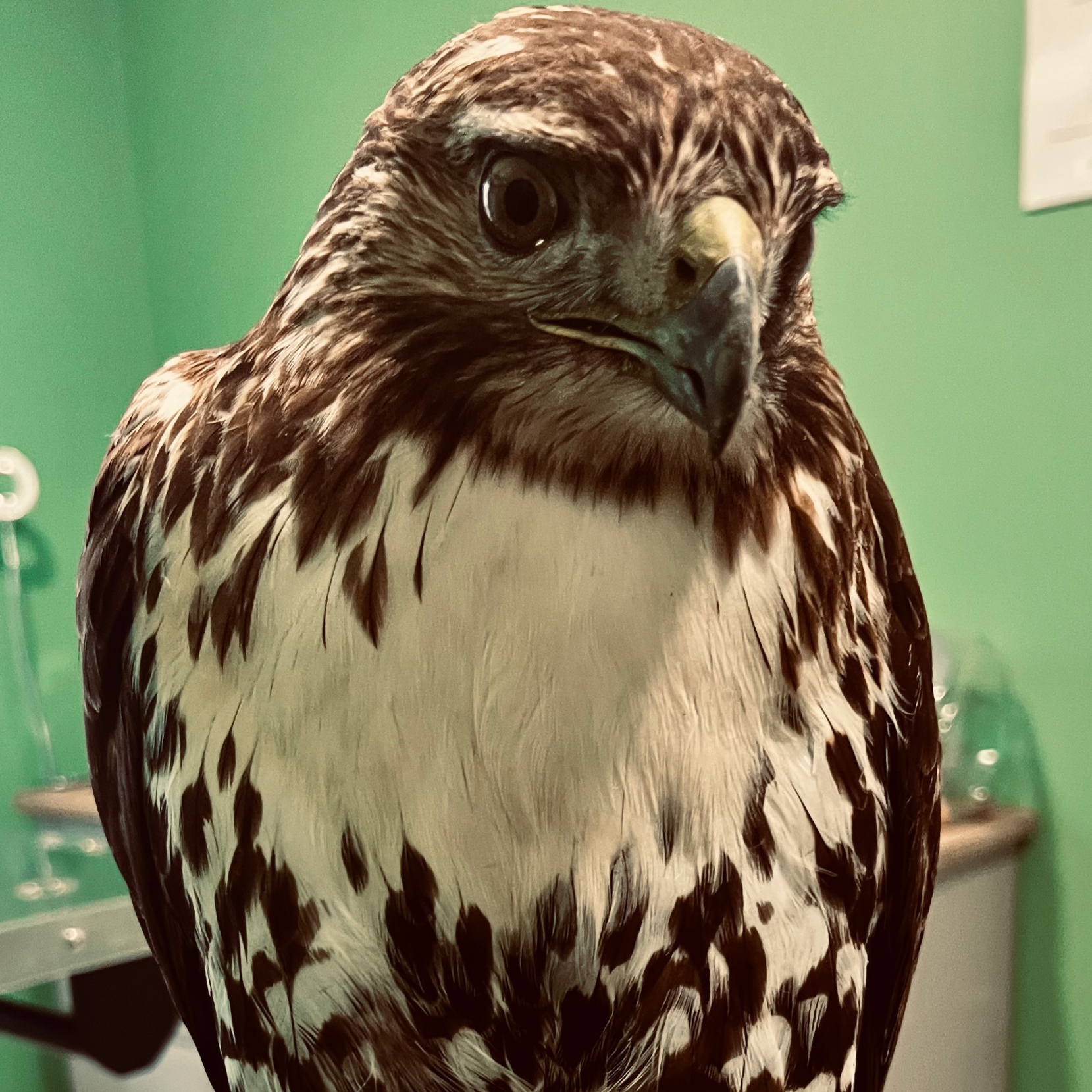
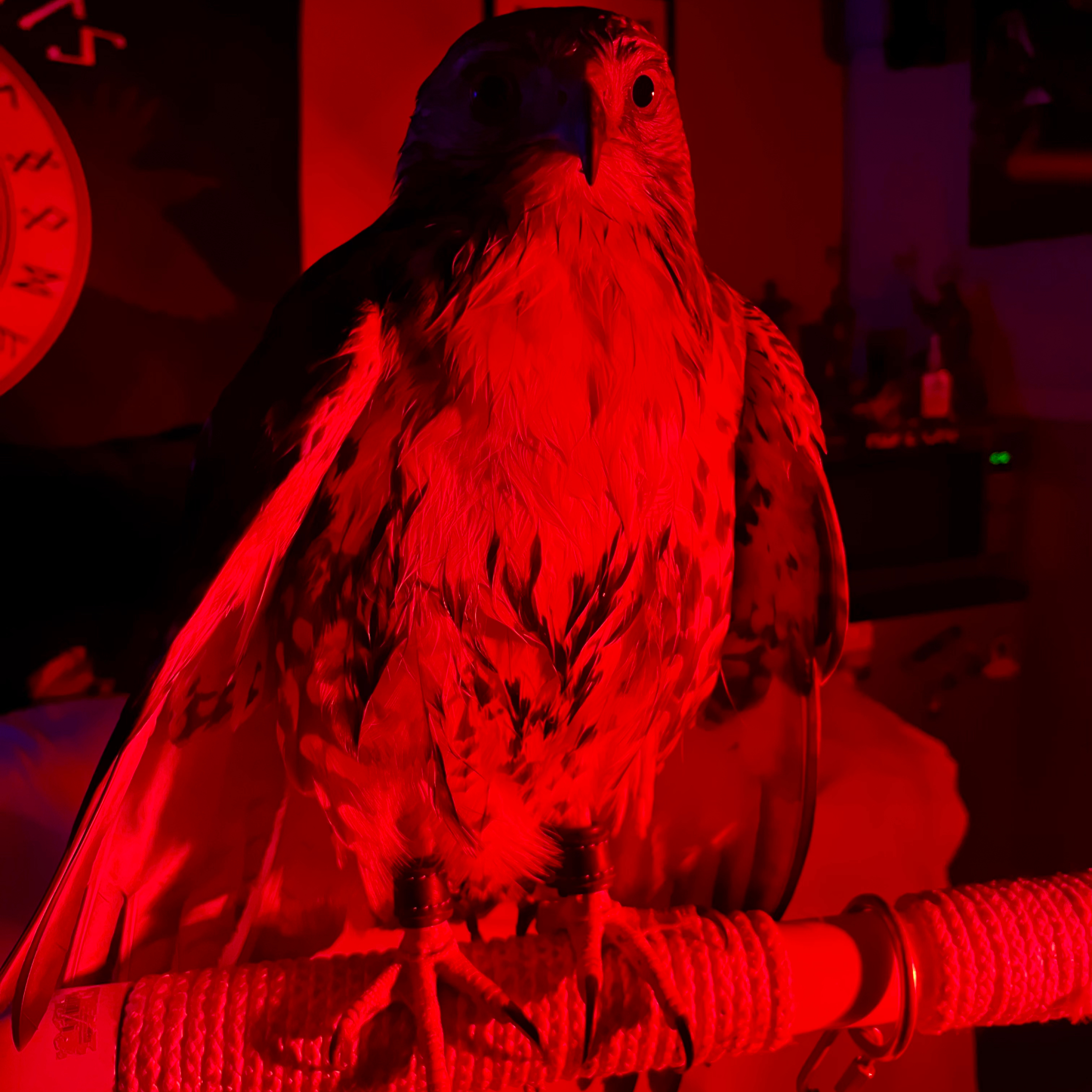
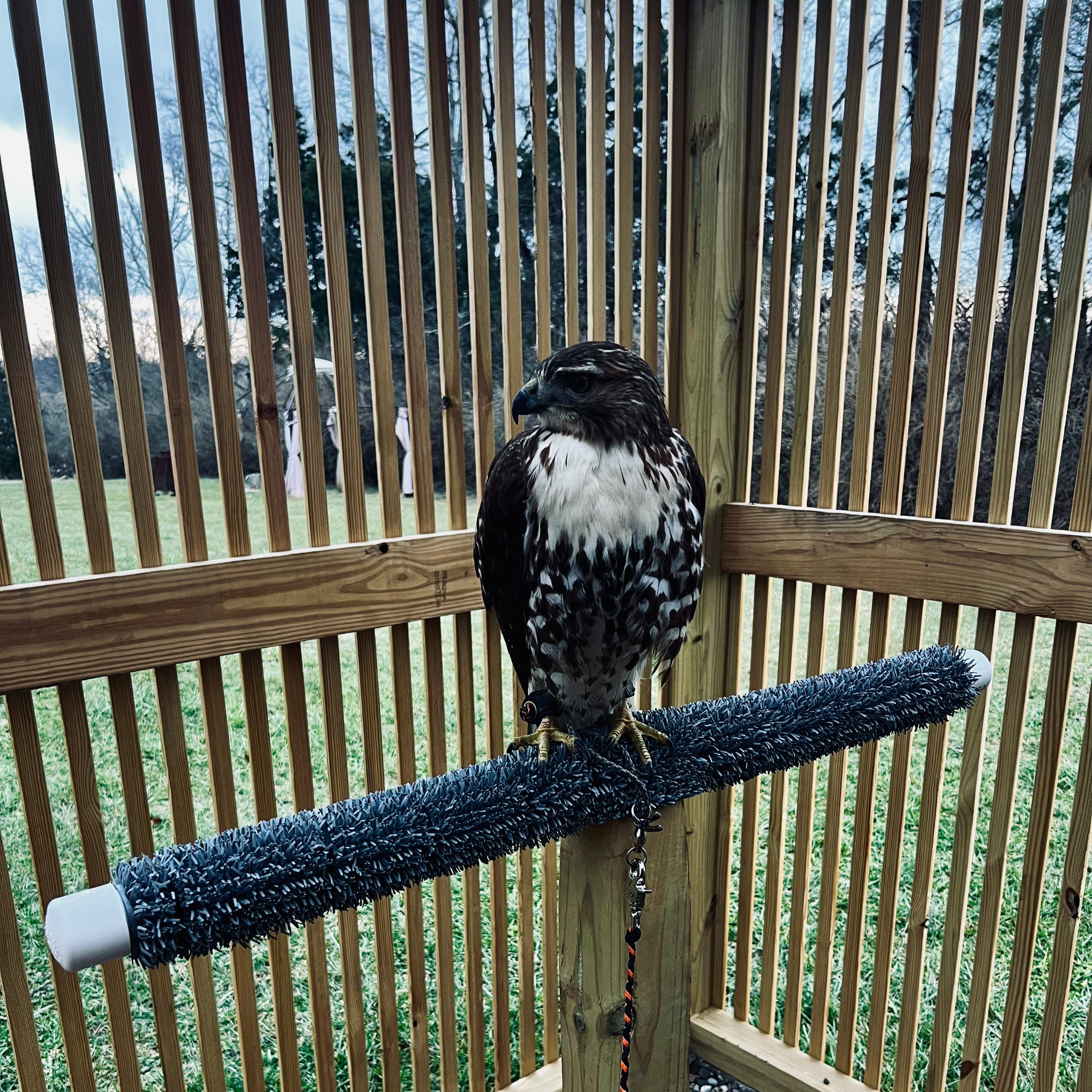
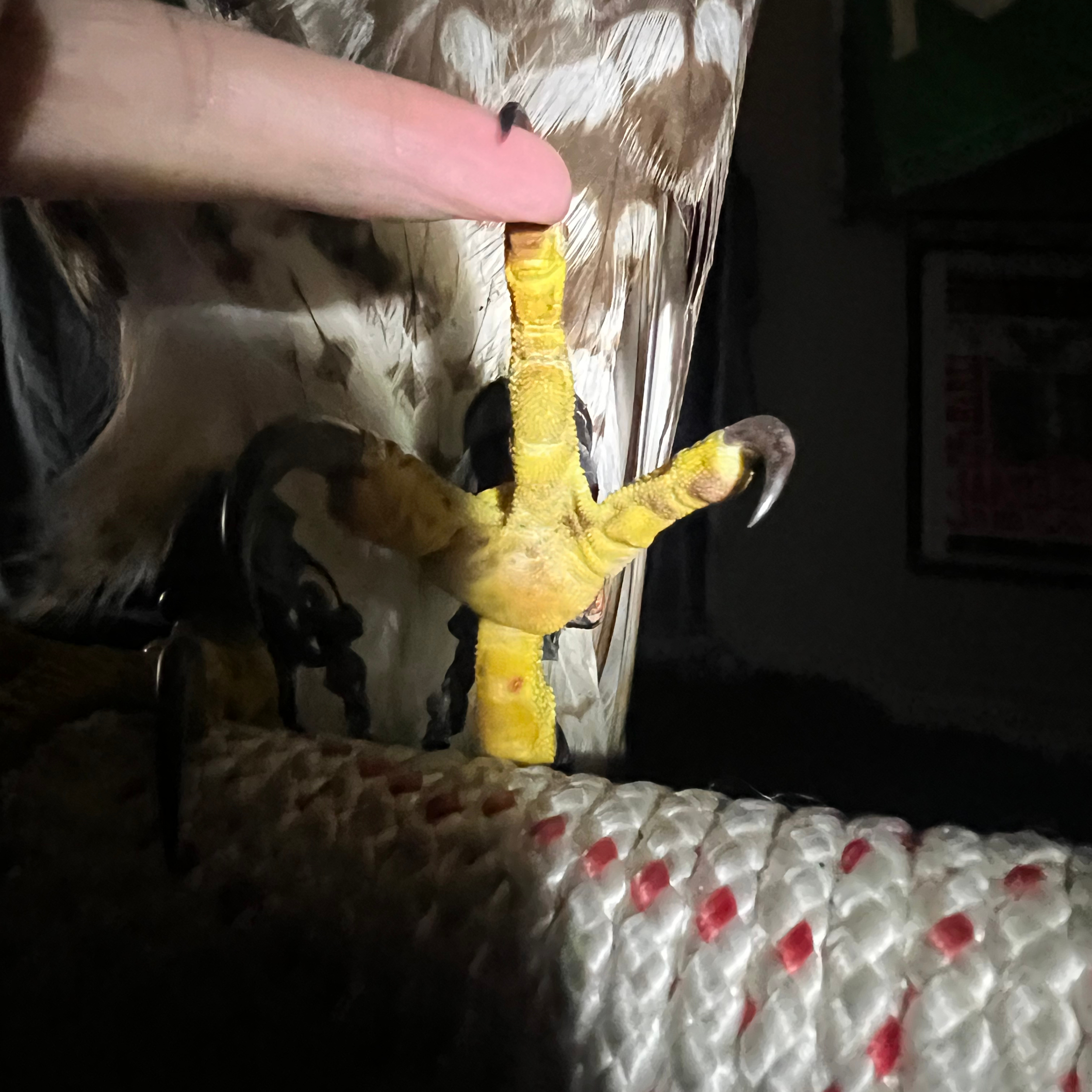
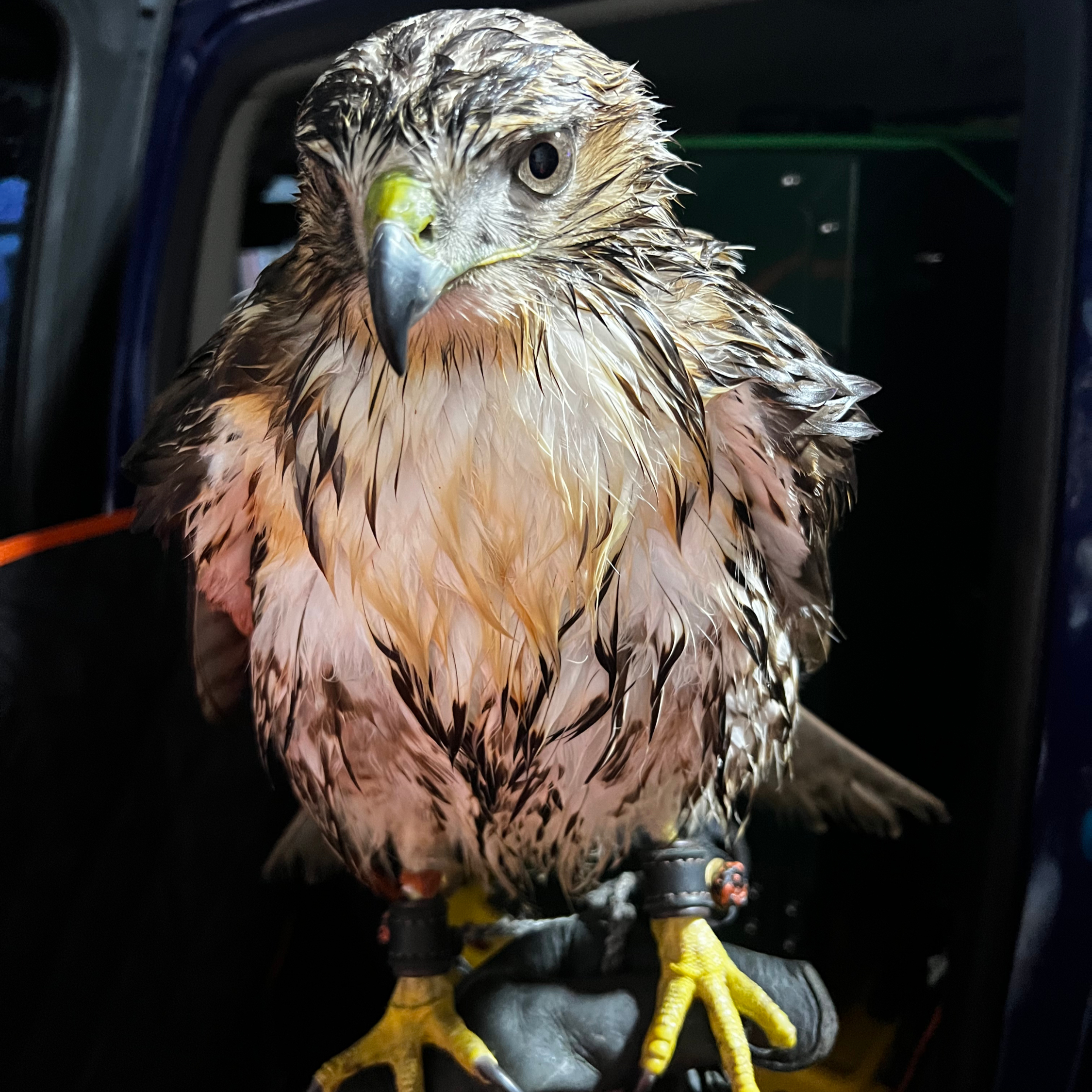
Images preserved from training, adjustment, routine, and early field experiences. Not every record marks a milestone — some remain simply because they were part of the path.